

Introduction Amblyopia, commonly known as “lazy eyes”, is a vision disorder that affects millions of children worldwide. Our eyes work together , allowing us to see things clearly. When there is a breakdown in one eyes, lazy eyes happen.
What is lazy eyes(amblyopia)? It is a condition where the eyes are not developed properly or reduced visual acuity in one eye without any pathological abnormalities.
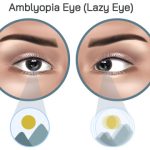
Types of amblyopia:
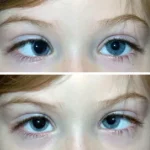
1. Strabismic amblyopia: Due to misalignment of the eye.
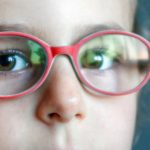
2. Refractive amblyopia: Refractive error ( eye power)
Causes of amblyopia:
1. Misalignment of the eye (strabismus)
2. Difference in refractive power
3. Other issues during childhood ( ie ; premature baby)

Symptoms of amblyopia:
1. Poor depth of perception; unable to distinguish distance, easily fell from the stairs.

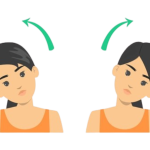
2. Head tilting.
3. Closing one eye to see things clearly.

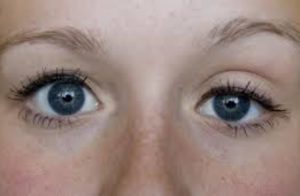
4. Squinting: Eye deviated on either one side or alternating.

Treatment of amblyopia:
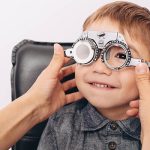
1. Glasses prescription: To give the best clarity in both eyes.
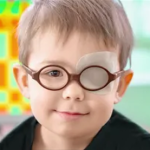
2. Eye patching: Better eye will be patch to force brain to rely on the weaker eye
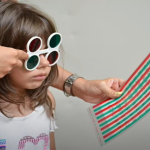
3. Vision therapy: Vision therapy exercises aimed at improving eye coordination, visual processing, and depth perception , often used in conjunction with patching.
Conclusion Lazy eyes are common and can be effectively treated if detected early. Regular eye checkups are very crucial and essential to catch any potential issue. Kids below 7 years old have better outcomes compared to older age. If you suspect your child may have some symptoms, consult eye care professional for a thorough examination.

This article is for general education and does not replace a consultation with your eye doctor.