Retinal Vein Occlusion (Stroke in the Eye): Causes, Symptoms, and Treatment
— views
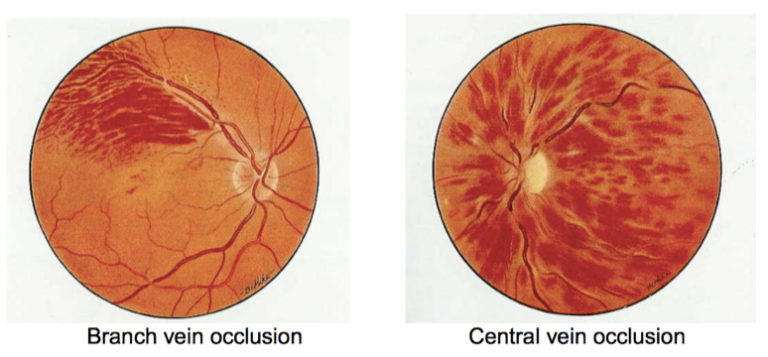
Understanding Retinal Vein Occlusion Retinal vein occlusion (RVO) is a condition where the veins carrying blood away from the retina become blocked. This blockage can lead to vision problems, including sudden vision loss.
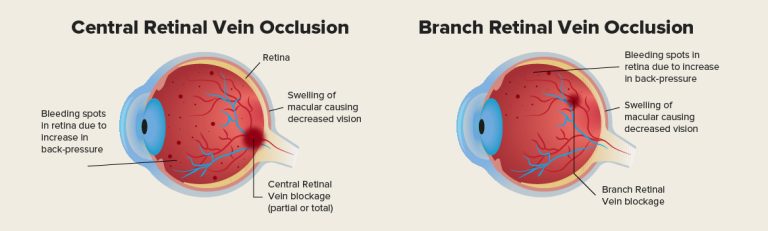
There are two main types: central retinal vein occlusion (CRVO) and branch retinal vein occlusion (BRVO).
Causes of Retinal Vein Occlusion
1. Atherosclerosis: Hardening of the arteries.
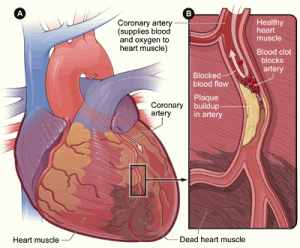
2. Blood Clots: Can form and block the retinal veins.
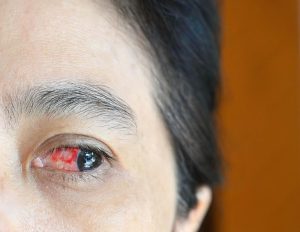
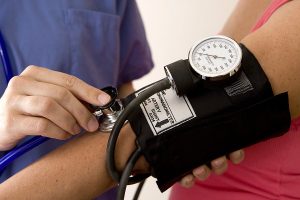
3. High Blood Pressure: Damages blood vessels, increasing risk.
4. Diabetes: High blood sugar can damage retinal blood vessels.

5. Glaucoma: Increased eye pressure can compress retinal veins.
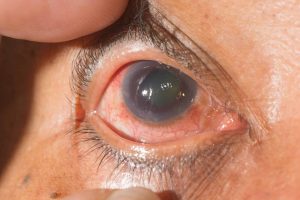
Symptoms of Retinal Vein Occlusion

Sudden Vision Loss: Often in one eye.

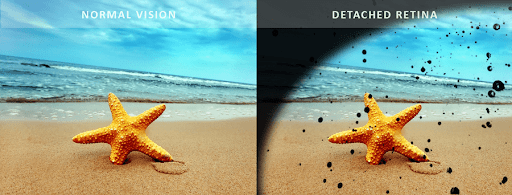
Blurred Vision: Partial loss of vision or seeing dark spots.

Floaters: Tiny specks or lines drifting in the field of vision.

Distorted Vision: Objects may appear warped or smaller than usual.
Diagnosis
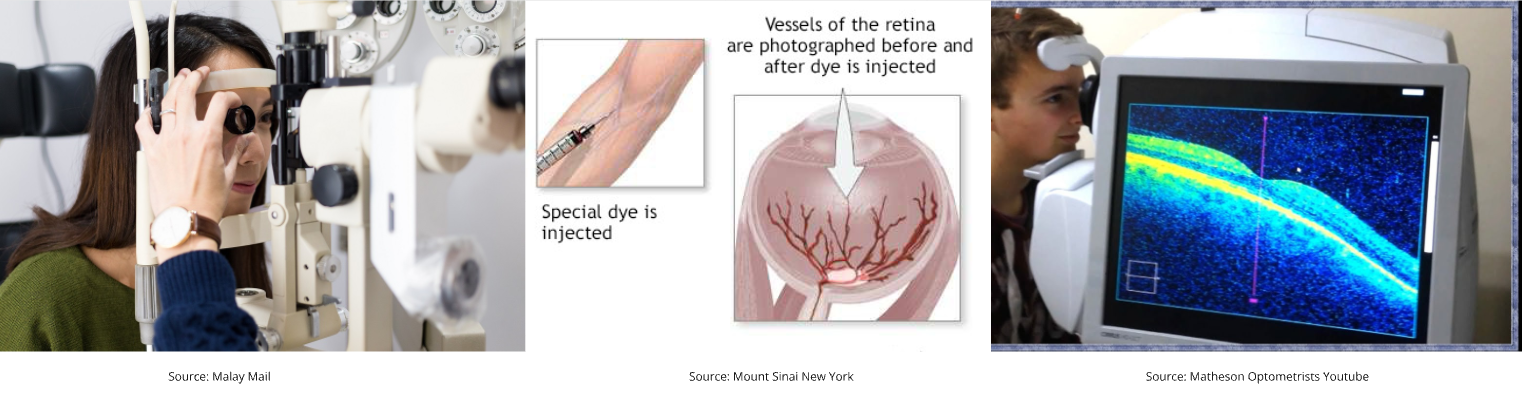
- Comprehensive Eye Exam: Includes a visual acuity test and dilated eye exam.
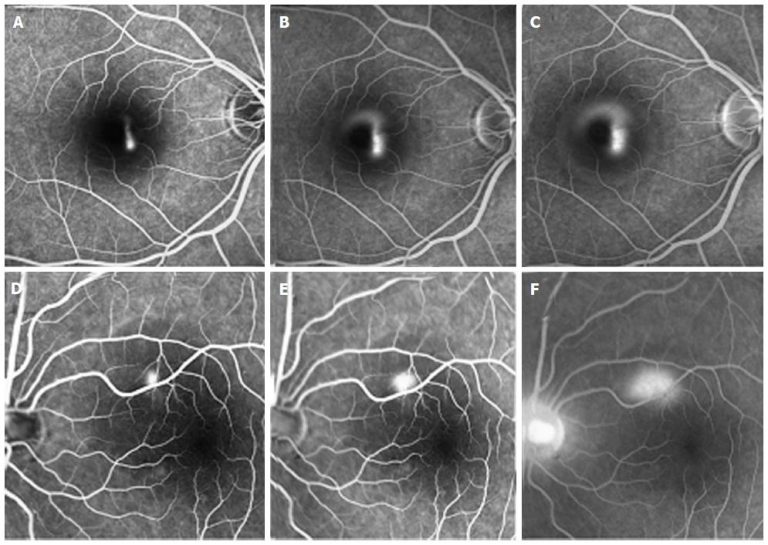
- Fluorescein Angiography: Dye injected into your arm highlights blood flow in the retina.
- Optical Coherence Tomography (OCT): Provides detailed images of the retina.
Treatment
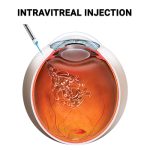
1. Intravitreal Injections: Medications injected into the eye to reduce swelling and prevent further blood vessel growth.
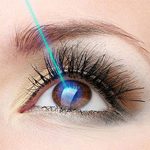
2. Laser Therapy: Seals leaking blood vessels and reduces swelling.
3. Management of Underlying Conditions: Controlling high blood pressure, diabetes, and glaucoma.

Preventive Measures

Healthy Lifestyle: Balanced diet, regular exercise, and avoiding smoking.

Regular Eye Exams: Essential for early detection and management of RVO and related conditions.

Managing Chronic Conditions: Keep diabetes, high blood pressure, and cholesterol under control.
Conclusion
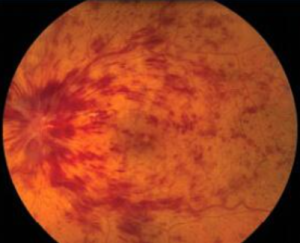
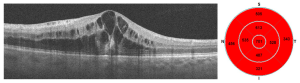
Retinal vein occlusion is a serious condition that can lead to vision loss if not promptly treated. Early detection through regular eye exams and effective management of underlying health conditions are crucial for preventing and managing RVO.
This article is for general education and does not replace a consultation with your eye doctor.