Back to articles
Age Related Macular DegenerationRetinal Disease
Understanding Polypoidal Choroidal Vasculopathy (PCV)
— views
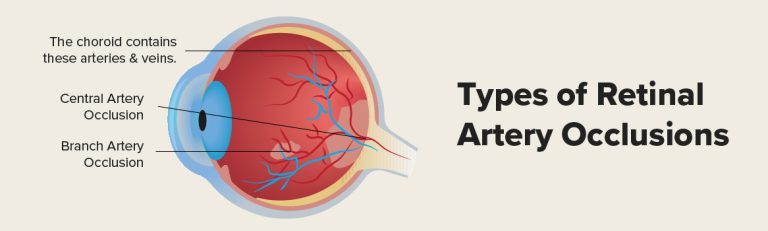
Polypoidal Choroidal Vasculopathy (PCV) is an eye condition where abnormal blood vessels grow under the retina, leading to vision problems. These vessels form small, bubble-like growths called polyps.
Causes

Age: Can happen to any age

Genetics: Family history can increase risk

Ethnicity: More common in Asians and African Americans

Health Conditions: Often linked to age-related macular degeneration (AMD).
Symptoms
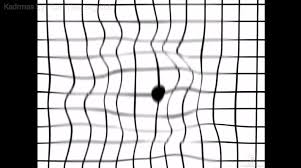


Tests to Confirm Diagnosis
- Eye Exam: Initial check by an eye doctor.
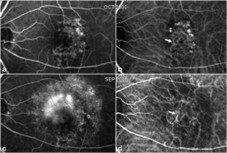
- OCT: Detailed images of the retina and choroid.
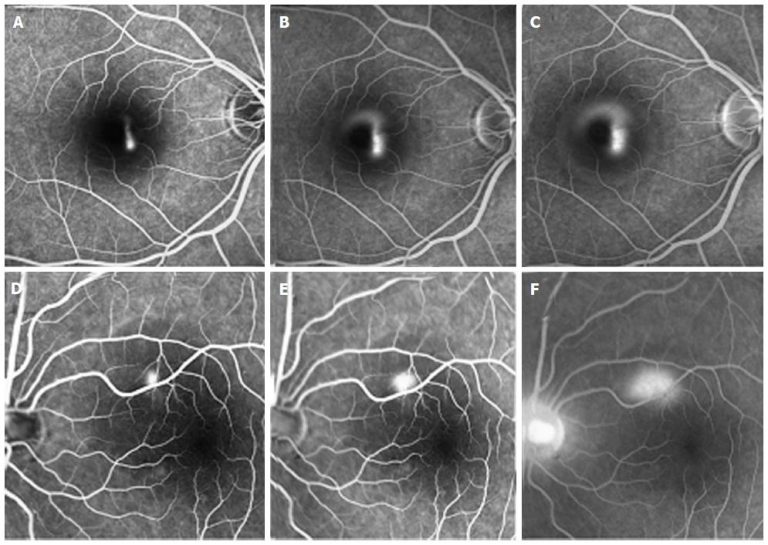
- Fundus Fluorescein Angiography: Highlights abnormal blood vessels with a special dye.
Treatment
- Anti-VEGF Injections: Reduce growth and leakage of abnormal blood vessels.
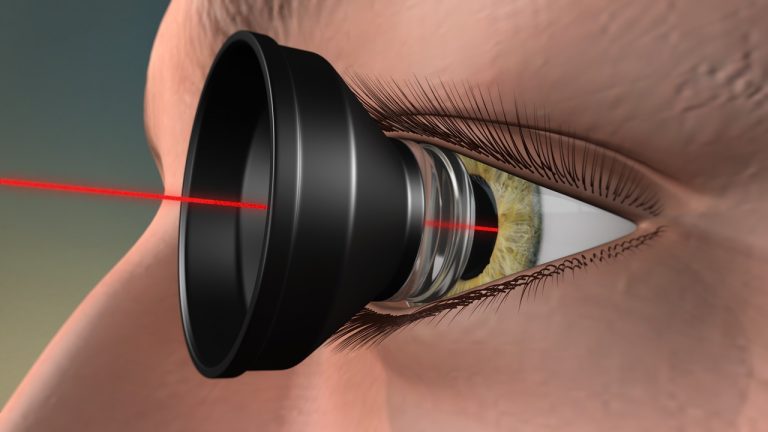
- Photodynamic Therapy (PDT): Uses a light-activated drug and laser to close abnormal vessels.
- Laser Treatment: Seals leaking blood vessels.
Prevention
- Regular Eye Exams: Early detection is crucial.
- Healthy Lifestyle: Eat well, exercise, and avoid smoking.
- Monitor Vision Changes: Report any changes to your doctor immediately.
Conclusion
PCV can cause significant vision loss, but early detection and treatment can help manage it. Regular eye check-ups and a healthy lifestyle are essential for maintaining good vision.
This article is for general education and does not replace a consultation with your eye doctor.