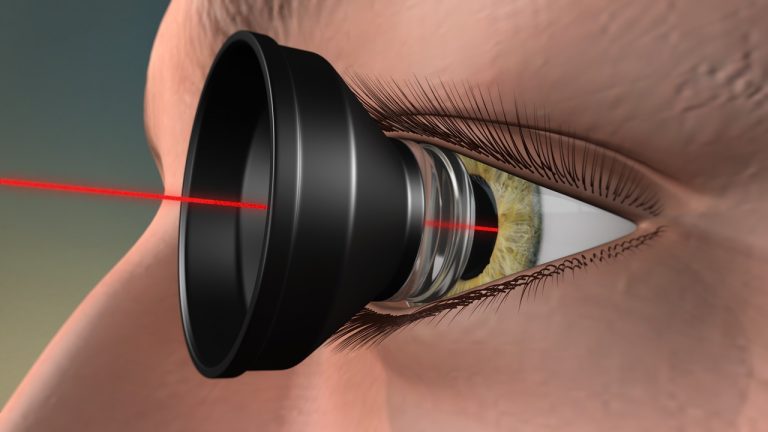
Age-related Macular Degeneration (AMD): What You Need to Know
— views
Introduction: Understanding Age-related Macular Degeneration (AMD)
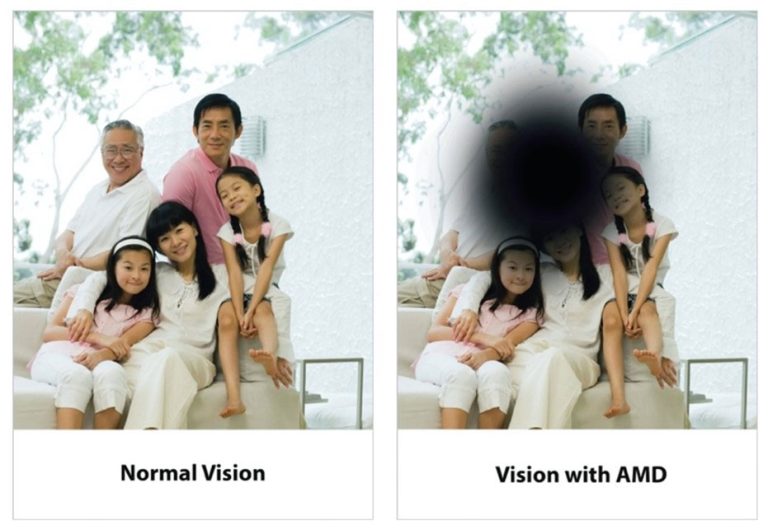
Age-related macular degeneration (AMD) is a common eye condition that affects the macula, the part of the retina responsible for central vision. It primarily impacts people over 50 and is a leading cause of vision loss in older adults.
Types of AMD:
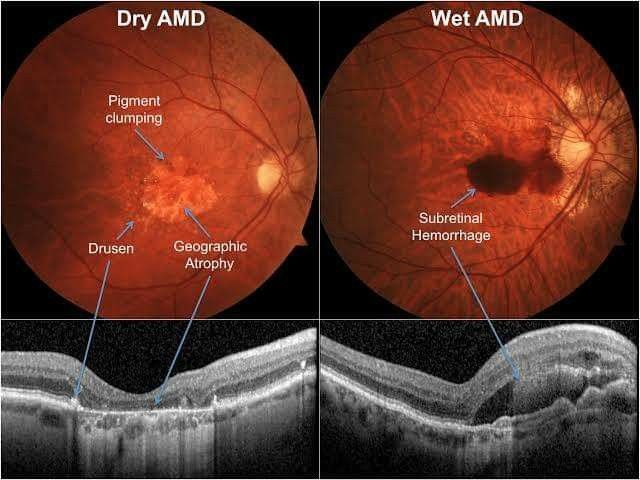
Dry AMD: The more common form, characterized by the thinning of the macula and the presence of drusen (tiny yellow deposits).
Wet AMD: Less common but more severe, involving abnormal blood vessel growth under the retina that can leak fluid or blood.
Causes of AMD:

Age: Can happen to any age

Genetics: Family history can increase risk

Smoking: Significantly raises the likelihood of developing AMD.

High Blood Pressure: Can damage blood vessels in the retina.

Obesity: Associated with a higher risk of AMD progression.
Symptoms of AMD:
- Blurred Central Vision: Difficulty reading or seeing fine details.
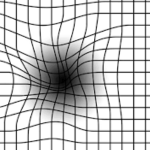
- Distorted Vision: Straight lines appear wavy or bent.
- Dark or Empty Areas: In the center of your vision.
- Difficulty Recognizing Faces: Central vision is crucial for face recognition.


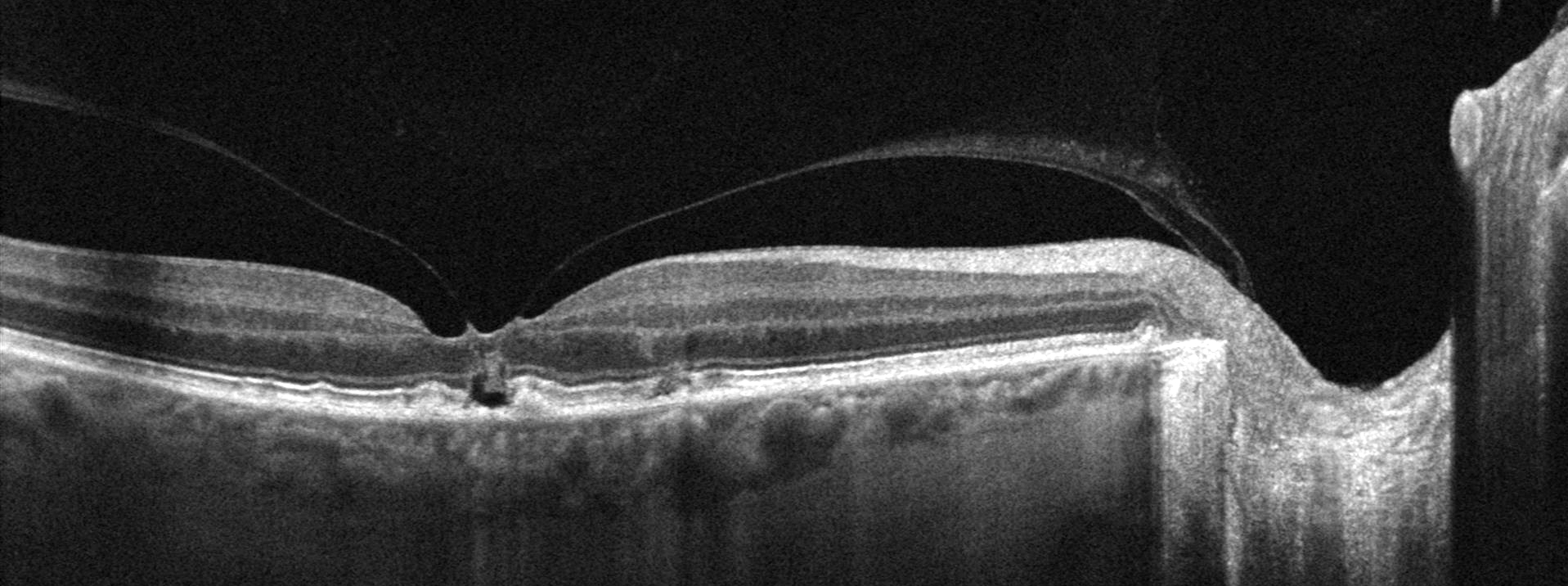
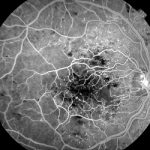
Diagnosis of AMD:
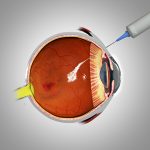
Treatment:

Preventive Measures:

Regular Eye Exams: Early detection is key.

Healthy Diet: Rich in green leafy vegetables, fish, and nuts.

Quit Smoking: Significantly reduces risk.

Manage Health Conditions: Control blood pressure and cholesterol.
Conclusion
Age-related macular degeneration is a significant cause of vision loss in older adults, but with early detection and appropriate treatment, its progression can be slowed. Regular eye exams, a healthy lifestyle, and quitting smoking are crucial preventive measures.
This article is for general education and does not replace a consultation with your eye doctor.