Age Related Macular Degeneration (ARMD): High Risk for Smokers?
— views

Age-related macular degeneration (ARMD) is an ageing process of the retina and choroid.
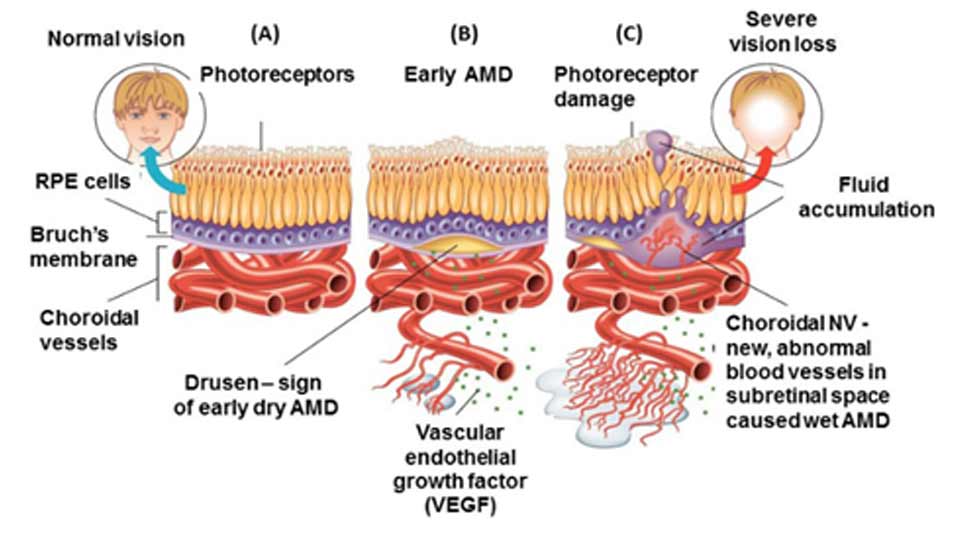
These 2 layers are involved in light/image processing. Retina and choroid are separated by a strong Retinal Pigment Epithelium (RPE) layer.
Retinal Pigment Epithelium (RPE)
- Watertight barrier: The RPE is a ‘watertight’ structure that keeps the retinal layer dry at all times.
- Choroidal layer: It consists of leaky blood vessels (fig 1).
- With ageing: The RPE layer becomes weak and slowly loses its watertight feature. When this happens, blood vessels from the choroidal layer will pass through the RPE to get into the retinal layer.
- Result: These abnormal vessels within the retina will bleed and distort the retinal layer (fig 1).
Symptoms and Diagnosis
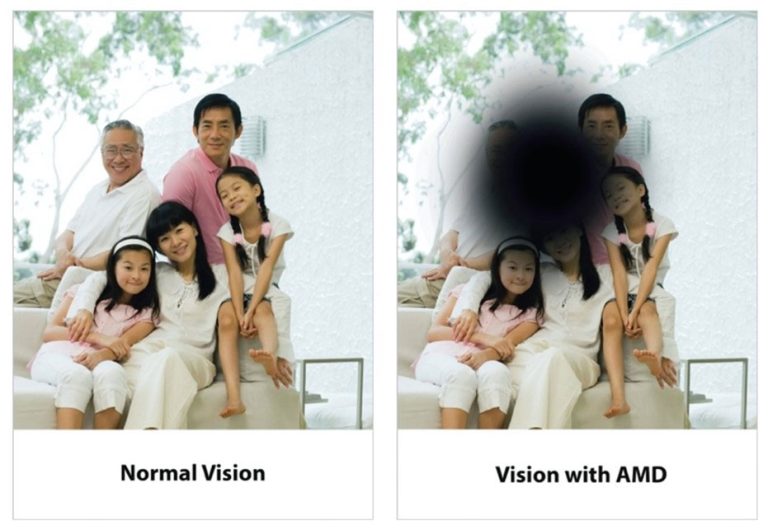
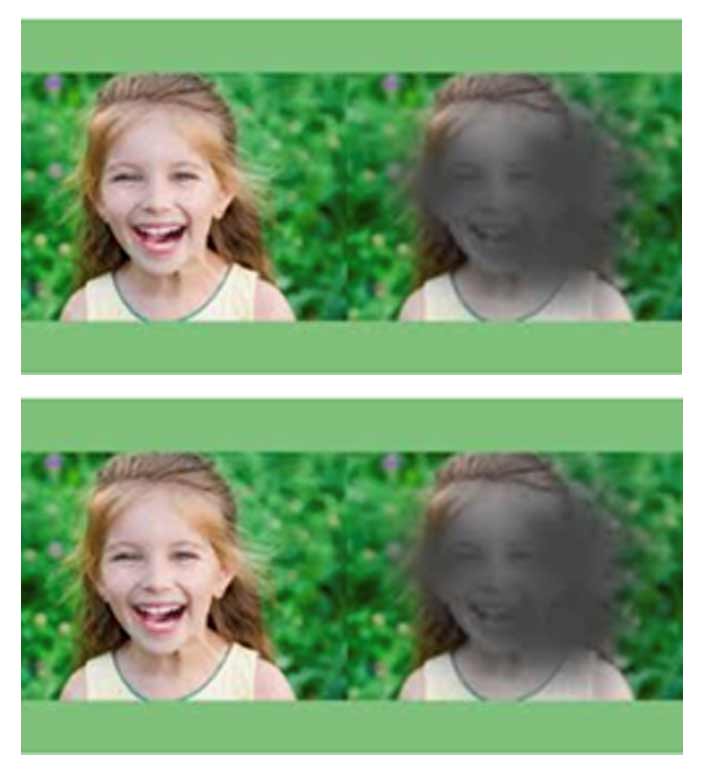
ARMD is more common among smokers. The most common symptoms are sudden blurring of vision (mainly in the centre) or sometimes a patient will complain of distortion of the image (fig 2).
Detailed eye examination by an eye doctor will reveal the presence of blood under the retina in the affected eye. We can visualise the bleeding in more detail by doing a scan called OCT.
Optical Coherence Tomography (OCT)
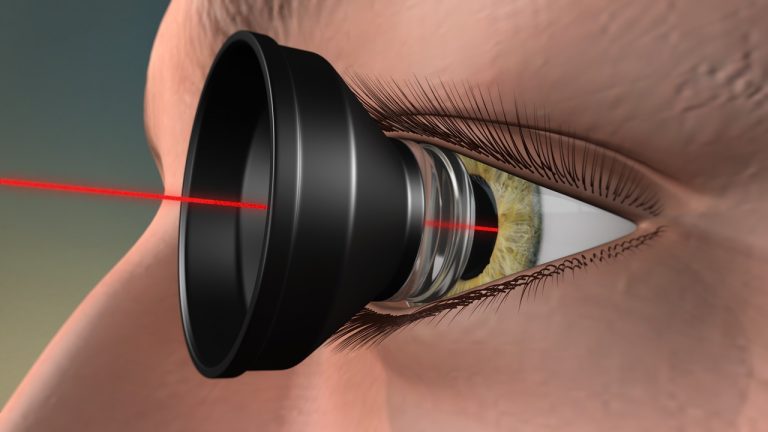
This is a biomicroscopic test. It is noninvasive. A simple method for the patient involves a sophisticated machine. OCT will be able to show the exact location and the extent of the disease.
Treatment Options
There are a few options of treatment. It can either be an injection into the eye (intravitreal), laser or surgery. Treatment depends on the extent of the disease as well as the duration of bleeding.
- Intravitreal injection: If the patient presents at an early stage, injection of a special drug (anti-VEGF) is the best treatment. The injection is needed monthly until the disease stabilises. It is done under local anaesthesia with very minimal discomfort.
- Laser: Can only be done if the location of the abnormal vessel is far from the centre part of the retina.
- Surgery: Spared for those who have extensive bleeding.
Early Treatment
Early treatment increases the chances of visual recovery.
Therefore, the patient needs to seek medical attention early for any new symptoms (within days). Patients will experience recurrent episodes of bleeding.
Vision will continue to deteriorate and eventually becomes blind without treatment. Frequent or long duration of bleeding will cause scarring. Once there is scarring, the disease will not respond to any available treatment. The patient will be blind forever.
ARMD usually affects both eyes. Therefore, it is important to see your eye doctor early for any new symptoms.
Conclusion
In conclusion, ARMD causes blindness among the elderly. Early detection and treatment save vision. Routine yearly eye screening is highly recommended after 50 years old.
This article is for general education and does not replace a consultation with your eye doctor.